Want to learn more about the resource?
Hong Kong Critical Infrastructure Code of Practice Framework Mapping
Align to Hong Kong's Critical Infrastructure Code of Practice
The Protection of Critical Infrastructures (Computer Systems) Ordinance introduces new expectations for securing critical computer systems across Hong Kong. Learn how key requirements map to practical cybersecurity capabilities that improve visibility, risk management, threat detection, and operational resilience.

No Details required
Download now
100+
Darktrace resources dowloaded in last 30 days
10,000+
Customers







White Paper
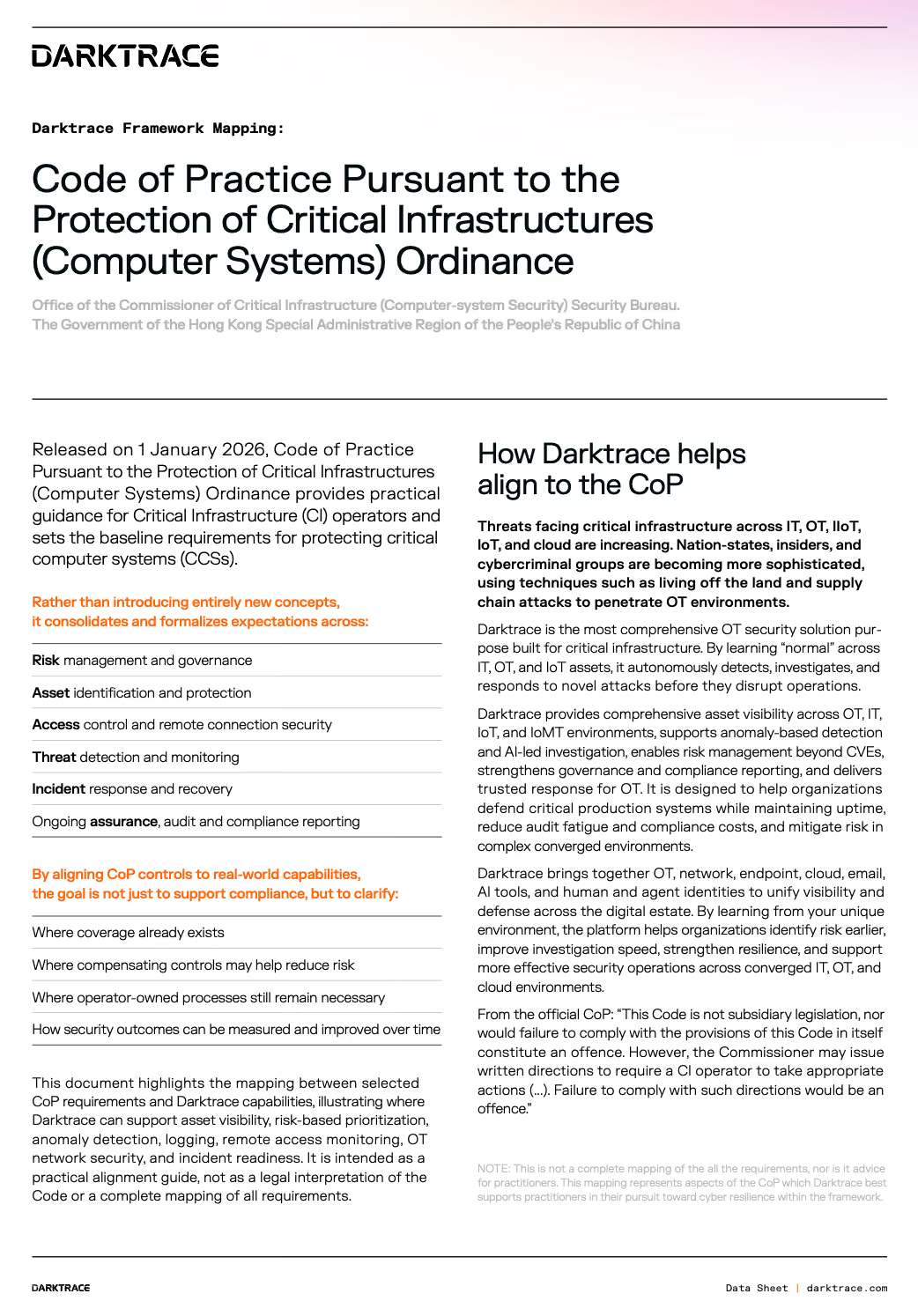
Hong Kong Critical Infrastructure Code of Practice Framework Mapping
Turn compliance requirements into operational security
Hong Kong's new Code of Practice establishes baseline cybersecurity expectations for operators of critical infrastructure, covering everything from asset management and access control to continuous monitoring, incident response, and governance. For many organizations, the challenge is not understanding the requirements. It is determining how existing security investments support them and where operational gaps remain.
See how CoP requirements map to real security capabilities
This framework mapping provides a practical view of how cybersecurity capabilities align to selected Code of Practice requirements. Rather than interpreting legislation, it connects individual controls to operational outcomes including asset discovery, anomaly detection, remote access monitoring, cloud visibility, risk prioritization, incident response, and audit readiness. It also highlights where compensating controls can strengthen resilience and where organization-owned processes remain essential.
Improve resilience while supporting compliance
Security leaders responsible for protecting critical infrastructure must balance regulatory obligations with day-to-day operational realities. This guide helps CISOs, OT security teams, and compliance leaders identify opportunities to improve visibility across IT, OT, cloud, identity, and network environments while strengthening investigation workflows, governance, and incident preparedness. Whether preparing for audits or evaluating security capabilities, readers will gain a clearer understanding of how modern security operations can support long-term cyber resilience.
Explore related resources
See how others stay one step ahead with Darktrace
Your data. Our AI.
Elevate your Cybersecurity with Darktrace AI
