Understand how to assess AI governance frameworks, certifications, compliance practices, and safeguards that help ensure AI systems are secure, reliable, and responsibly managed.
Learn what CISOs should evaluate before buying from AI vendors
This guide is built for CISOs navigating the AI buyer market who want to ask vendors the right questions and understand if the AI tools they are reviewing are going to produce meaningful results.

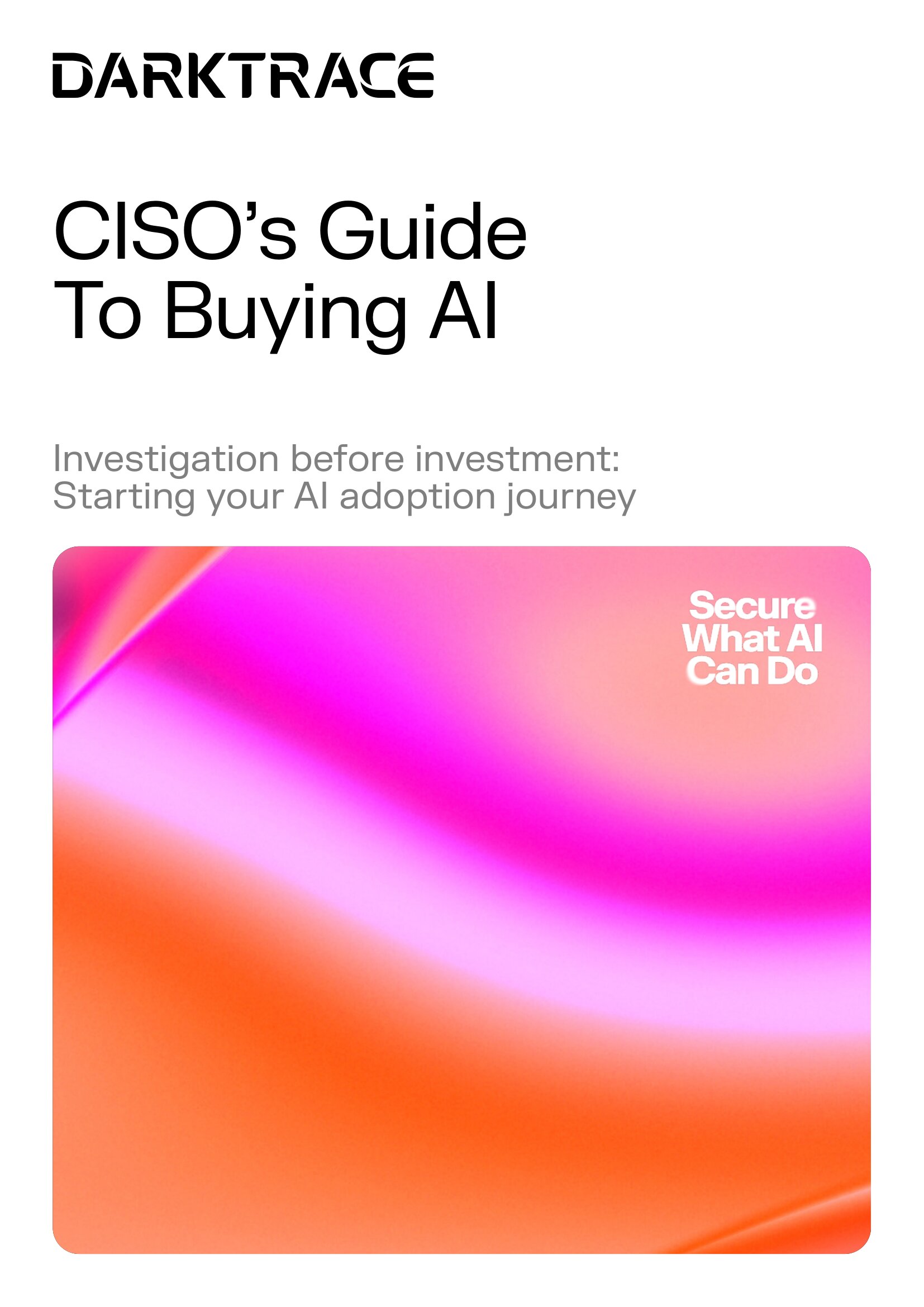

Understand how to assess AI governance frameworks, certifications, compliance practices, and safeguards that help ensure AI systems are secure, reliable, and responsibly managed.
Learn why training data quality, model selection, testing workflows, and continuous validation directly impact AI accuracy, resilience, and long-term operational performance.
Explore the governance, validation, explainability, and testing practices that determine whether an AI system can be trusted to operate safely inside real enterprise environments.
Only 37% of organizations have an AI governance policy — yet nearly every security vendor now ships AI. That gap is where AI compliance risk lives.
AI is reshaping security operations, promising faster investigations and stronger detection. But evaluating AI security tools is far more complex than comparing feature lists. Beneath the surface, vendors rely on vastly different models, training methods, governance practices, and validation processes — all of which determine how accurate, trustworthy, and secure a system is in production. For security leaders, understanding how an AI system is built and governed now matters as much as what it does.
Ask which AI governance framework a vendor actually operates under. ISO/IEC 42001 — the world's first AI management system standard — is externally audited rather than self-claimed, which distinguishes it from frameworks like the NIST AI Risk Management Framework where adherence is often self-asserted. Darktrace is certified to ISO/IEC 42001.
The guide structures AI governance, risk, and compliance due diligence across five areas:
Includes 17 questions to put to any AI service provider — plus guidance on reading their answers, and why "agentic AI" means something different at every vendor.
Download the guide for the full AI vendor due diligence checklist.


Darktrace customers


Your data. Our AI.