
ブログ
/
Cloud
/
August 21, 2024

Vigilance in Action: Monitoring Typosquatting Domains

Cado researchers detected a typosquatting domain mimicking their corporate site, part of a broader campaign targeting tech companies. The malicious domain redirected to the legitimate one, and an accompanying fake X (Twitter) account was created. Cado took swift action, informing staff, blocking emails, and reporting the domain for suspension.
Inside the SOC
Darktrace cyber analysts are world-class experts in threat intelligence, threat hunting and incident response, and provide 24/7 SOC support to thousands of Darktrace customers around the globe. Inside the SOC is exclusively authored by these experts, providing analysis of cyber incidents and threat trends, based on real-world experience in the field.
Written by
Allan Carchrie
Lead Solutions Engineer
Default blog imageDefault blog imageDefault blog imageDefault blog imageDefault blog imageDefault blog image
21
Aug 2024

Introduction

In today's digital landscape, cybercriminals are constantly devising new and innovative ways to infiltrate and compromise corporate systems. One such tactic is called typosquatting: the registration of domains that closely resemble a real organization in order to trick users into visiting a fraudulent website. Before any damage could be done, researchers at Cado Security Labs (now part of Darktrace) recently discovered a domain that bore a striking resemblance to the Cado corporate domain during a routine check. In this blog, we will discuss how this domain was identified, and the steps taken following discovery.

Look and you shall find

Monitoring for spoofed domains is a function that helps a threat intel team detect malicious actors preparing their infrastructure for their campaigns. This early detection can prevent potential attacks and protect an organization's reputation and assets from harm.

At Cado Security (now Darktrace), this issue is proactively addressed using a tool called “ dnstwist “ - a powerful domain generation and lookup tool that helps identify domains that could be used as part of phishing attacks. For example, using the corporate domain, cadosecurity.com, dnstwist generated nearly 9,000 permutations of the Cado domain and attempted DNS resolutions of them.

Not if, but when..

During a routine check, Cado discovered that just three days prior, a domain had been registered that contained a character substitution similar to what is seen for typosquatting attacks, highlighting that a potential threat was emerging. 

Typosquatting attacks are typically done by deliberately including typos, numbers, or symbols in the domain name that a user might accidentally type or with a quick glance might consider to be legitimate. This might involve adding an extra character, such as "Cadosecurityy.com," or replacing a letter with a similar-looking number or symbol, like "Cado5ecurity.com" or "Cad0security.com" (using a zero instead of the letter 'O'). Another variation of typosquatting is the homoglyph or homograph attack, which uses characters (or glyphs) from other scripts that are very visually similar to register domains that may fool a user. For example, using Cyrillic characters mixed with Latin characters, an attacker might create a domain like "Сadosecurity.com," where the 'C' is replaced with its Cyrillic counterpart, which looks almost identical.

Once this domain was identified, it was quickly discovered that connections to the malicious domain were being redirected to Cado’s legitimate domain. This redirection indicates that the threat actor behind this activity was likely intending to imitate the domain, potentially as part of a future phishing attack.

Upon further investigation, Cado found that this malicious domain was registered through “Apiname” and resolved to IP address 94[.]154[.]35[.]15. Open Source Intelligence analysis revealed that not only was the domain being mimicked, but also several other tech companies' domains have been targeted in a similar fashion. This suggests that it was created as part of a broader campaign to target a large number of brands. Where possible, the affected companies were notified prior to this blog being released. 

The threat actor also created an X (formerlyTwitter) account as Cado with the typo’d domain mimicking our own X account and in one instance, they had taken it as far as purchasing a Gold Checkmark, adding followers, and following people related to Cado, in order to create a sense of authenticity.

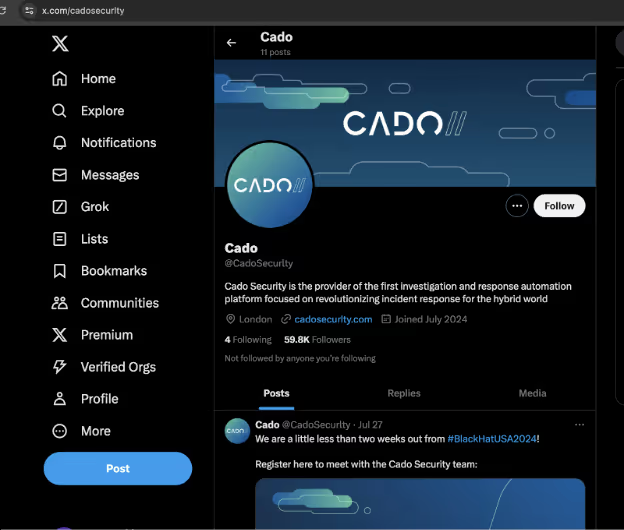
Figure 1: Fake Cado Security account created by threat actor using typo'd username
Figure 2: Fake Cado Security account profile created by threat actor using typo'd username

As seen with the other tech related companies that were also victims of the same domain registration typo activity, Cado found the threat actor had also created X accounts for some of those companies as well.

Actions speak louder than words

When Cado identified that the malicious domain was redirecting to its website, the following proactive actions were taken:

  • Informed all staff about the current situation and reminded them of the actions they should take.  Fostering a security-conscious culture where everyone plays their part in defending against cyber threats is key for a business’ cyber security posture. Ensure your cyber security training is always updated to reflect the latest threats, and that staff are briefed on a routine basis. By investing time and resources into employee cybersecurity education, businesses can significantly reduce the risk of a breach, protect sensitive information, and maintain smooth operations.
  • Searched for any emails originating from the malicious domain, and implemented alerting and a block for future emails. By doing so, threat actors were unable to send malicious content or phishing attempts to staff inboxes. This step not only protects team members, but also limits the potential damage caused by any malicious emails.
  • Reported the activity to the DNS registrar who subsequently suspended the domain. By taking this action, not only was the issue addressed at hand, but it also contributed to the overall security of the internet by having a potentially malicious domain taken offline.

Additional typosquatting domains identified

Where possible the organizations included below have all been alerted regarding these fraudulent domains.

URLs

  • biaizetech[.]com
  • cadosecurlty[.]com
  • changeliy[.]com
  • ciickup[.]com
  • elliptlc[.]com
  • miikroad[.]com
  • ogiivy[.]com
  • q0nt0[.]com
  • raiiwayapp[.]com
  • scrlb3[.]com
  • sh0rtcut[.]com
  • slgmaprime[.]com
  • slnglegrain[.]com
  • spndesk[.]com
  • twinmotlon[.]com
  • tlnulti[.]com
  • 0penraven[.]com

IP addresses

94[.]154[.]35[.]15

The key takeaway

This discovery underscores the importance of staying vigilant and proactive in protecting against such potential threats. It also highlights the need to monitor domain registrations, especially those that closely resemble our own, as well as staying abreast of the latest cybersecurity trends and best practices. By being aware of these potential risks and taking adequate measures to secure our domains, teams can collectively work towards mitigating the impact of such activities on organizations and the broader tech industry. 

Inside the SOC
Darktrace cyber analysts are world-class experts in threat intelligence, threat hunting and incident response, and provide 24/7 SOC support to thousands of Darktrace customers around the globe. Inside the SOC is exclusively authored by these experts, providing analysis of cyber incidents and threat trends, based on real-world experience in the field.
Written by
Allan Carchrie
Lead Solutions Engineer

More in this series

No items found.

Blog

/

Network

/

April 16, 2026

中国系サイバー作戦の進化 - それはサイバーリスクおよびレジリエンスにとって何を意味するか

Default blog imageDefault blog image

サイバーセキュリティにおいては、これまではインシデント、侵害、キャンペーン、そして脅威グループを中心にリスクを整理してきました。これらの要素は現在も重要です -しかし個別のインシデントにとらわれていては、エコシステム全体の形成を見逃してしまう危険があります。国家が支援する攻撃者グループは、個別の攻撃を実行したり短期的な目標を達成したりするためだけではなく、サイバー作戦を長期的な戦略上の影響力を構築するために使用するようになっています。  

当社の最新の調査レポート、Crimson Echoにおいてもこうした状況にあわせて視点を変えています。キャンペーンやマルウェアファミリー、あるいはアクターのラベルを個別のイベントとして分類するのではなく、ダークトレースの脅威調査チームは中国系グループのアクティビティを長期的に連続した行動として分析しました。このように視野を拡大することで、これらの攻撃者がさまざまな環境内でどのように存在しているか、すなわち、静かに、辛抱強く、持続的に、そして多くのケースにおいて識別可能な「インシデント」が発生するかなり前から下準備をしている様子が明らかになりました。  

中国系サイバー脅威のこれまでの変化

中国系サイバーアクティビティは過去20年間において4つのフェーズで進化してきたと言えます。初期の、ボリュームを重視したオペレーションは1990年代にから2000年代初めに見られ、それが2010年代にはより構造化された、戦略に沿った活動となり、そして現在の高度な適応性を備えた、アイデンティティを中心とした侵入へと進化しています。  

現在のフェーズの特徴は、大規模、攻撃の自制、そして永続化です。攻撃者はアクセスを確立し、その戦略的価値を評価し、維持します。これはより全体的な変化を反映したものです。つまりサイバー作戦は長期的な経済的および地政学的戦略に組み込まれる傾向が強まっているということです。デジタル環境へのアクセス、特に国家の重要インフラやサプライチェーン、先端テクノロジーにつながるものは、ある種の長期的な戦略的影響力と見られるようになりました。  

複雑な問題に対するダークトレースのビヘイビア分析アプローチ

国家が支援するサイバーアクティビティを分析する際、難しい問題の1つはアトリビューションです。従来のアプローチは多くの場合、特定の脅威グループ、マルウェアファミリー、あるいはインフラに判定を依存していました。しかしこれらは絶えず変化するものであり、さらに中国系オペレーションの場合、しばしば重複が見られます。

Crimson Echo は2022年7月から2025年9月の間の3年間にDarktrace運用環境で観測された異常なアクティビティを回顧的に分析した結果です。ビヘイビア検知、脅威ハンティング、オープンソースインテリジェンス、および構造化されたアトリビューションフレームワーク(Darktrace Cybersecurity Attribution Framework)を用いて、数十件の中~高確度の事例を特定し、繰り返し発生しているオペレーションのパターンを分析しました。  

この長期的視野を持ったビヘイビア中心型アプローチにより、ダークトレースは侵入がどのように展開していくかについての一定のパターンを特定することができ、動作のパターンが重要であることがあらためて確認されました。  

データが示していること

分析からいくつかの明確な傾向が浮かび上がりました:

  • 標的は戦略的に重要なセクターに集中していたのです。データセット全体で、侵入の88%は重要インフラと分類される、輸送、重要製造業、政府、医療、ITサービスを含む組織で発生しています。   
  • 戦略的に重要な西側経済圏が主な焦点です。米国だけで、観測されたケースの22.5%を占めており、ドイツ、イタリア、スペイン、および英国を含めた主要なヨーロッパの経済圏と合わせると侵入の半数以上(55%)がこれらの地域に集中しています。  
  • 侵入の63%近くがインターネットに接続されたシステムのエクスプロイトから始まっており、外部に露出したインフラの持続的リスクがあらためて浮き彫りになりました。  

サイバー作戦の2つのモデル

データセット全体で、中国系のアクティビティは2つの作戦モデルに従っていることが確認されました。  

1つ目は“スマッシュアンドグラブ”(強奪)型と表現することができます。これらはスピードのために最適化された短期型の侵入です。攻撃者はすばやく動き  – しばしば48時間以内にデータを抜き出し  – ステルス性よりも規模を重視します。これらの侵害の期間の中央値は10日ほどです。検知の危険を冒しても短期的利益を得ようとしていることが明らかです。  

2つ目は“ローアンドスロー”(低速)型です。これらのオペレーションはデータセット内ではあまり多くありませんでしたが、潜在的影響はより重大です。ここでは攻撃者は持続性を重視し、アイデンティティシステムや正規の管理ツールを通じて永続的なアクセスを確立し、数か月間、場合によっては数年にわたって検知されないままアクセスを維持しようとします。1つの注目すべきケースでは、脅威アクターは環境に完全に侵入して永続性を確立し、600日以上経ってからようやく再浮上した例もありました。このようなオペレーションの一時停止は侵入の深さと脅威アクターの長期的な戦略的意図の両方を表しています。このことはサイバーアクセスが長期にわたって保有し活用するべき戦略的資産であることを示しており、これは最も戦略的に重要なセクターにおいて最もよく見られたパターンです。  

同じ作戦エコシステムにおいて両方のモデルを並行して利用し、標的の価値、緊急性、意図するアクセスに基づいて適切なモデルを選択することも可能だという点に注意することも重要です。“スマッシュアンドグラブ” モデルが見られたからといって諜報活動が失敗したとのみ解釈すべきではなく、むしろ目標に沿った作戦上の選択かもしれないと見るべきでしょう。“ローアンドスロー” 型は粘り強い活動のために最適化され、“スマッシュアンドグラブ” 型はスピードのために最適化されています。どちらも意図的な作戦上の選択と見られ、必ずしも能力を表していません。  

サイバーリスクを再考する

多くの組織にとって、サイバーリスクはいまだに一連の個別のイベントとして位置づけられています。何かが発生し、検知され、封じ込められ、組織はそれを乗り越えて前に進みます。しかし永続的アクセスは、特にクラウド、アイデンティティベースのSaaSやエージェント型システム、そして複雑なサプライチェーンネットワークが相互接続された環境では、重大な持続的露出リスクを作り出します。システムの中断やデータの流出が発生していなくても、そのアクセスによって業務や依存関係、そして戦略的意思決定についての情報を得られるかもしれません。サイバーリスクはますます長期的な競合情報収集に似てきています。

その影響はSOCだけの問題ではありません。組織はガバナンス、可視性、レジリエンスについての考え方を見直し、サイバー露出をインシデント対応の問題ではなく構造的なビジネスリスクとして扱う必要があります。  

次の目標

この調査の目的は、これらの脅威の仕組みについてより明確な理解を提供することにより、防御者がより早期にこれらを識別しより効果的に対応できるようにすることです。これには、インジケーターの追跡からビヘイビアの理解にシフトすること、アイデンティティプロバイダーを重要インフラリスクとして扱うこと、サプライヤーの監視を拡大すること、迅速な封じ込めのための能力に投資すること、などが含まれます。  

ダークトレースの最新調査、Crimson Echo: Understanding Chinese-nexus Cyber Operations Through Behavioral Analysisについてより詳しく知るには、ビジネスリーダー、CISO、SOCアナリストに向けたレポート全文およびサマリーを ここからダウンロードしてください。 

Continue reading
About the author
Nathaniel Jones
VP, Security & AI Strategy, Field CISO

Blog

/

AI

/

April 16, 2026

Why Behavioral AI Is the Answer to Mythos

Default blog imageDefault blog image

How AI is breaking the patch-and-prevent security model

The business world was upended last week by the news that Anthropic has developed a powerful new AI model, Claude Mythos, which poses unprecedented risk because of its ability to expose flaws in IT systems.  

Whether it’s Mythos or OpenAI’s GPT-5.4-Cyber, which was just announced on Tuesday, supercharged AI models in the hands of hackers will allow them to carry out attacks at machine speed, much faster than most businesses can stop them.  

This news underscores a stark reality for all leaders: Patching holes alone is not a sufficient control against modern cyberattacks. You must assume that your software is already vulnerable right now. And while LLMs are very good at spotting vulnerabilities, they’re pretty bad at reliably patching them.

Project Glasswing members say it could take months or years for patches to be applied. While that work is done, enterprises must be protected against Zero-Day attacks, or security holes that are still undiscovered.  

Most cybersecurity strategies today are built like a daily multivitamin: broad, preventative, and designed to keep the system generally healthy over time. Patch regularly. Update software. Reduce known vulnerabilities. It’s necessary, disciplined, and foundational. But it’s also built for a world where the risks are well known and defined, cycles are predictable, and exposure unfolds at a manageable pace.

What happens when that model no longer holds?

The AI cyber advantage: Behavioral AI

The vulnerabilities exposed by AI systems like Mythos aren’t the well-understood risks your “multivitamin” was designed to address. They are transient, fast-emerging entry points that exist just long enough to be exploited.

In that environment, prevention alone isn’t enough. You don’t need more vitamins—you need a painkiller. The future of cybersecurity won’t be defined by how well you maintain baseline health. It will be defined by how quickly you respond when something breaks and every second counts.

That’s why behavioral AI gives businesses a durable cyber advantage. Rather than trying to figure out what the attacker looks like, it learns what “normal” looks like across the digital ecosystem of each individual business.  

That’s exactly how behavioral AI works. It understands the self, or what's normal for the organization, and then it can spot deviations in from normal that are actually early-stage attacks.

The Darktrace approach to cybersecurity

At Darktrace, we’ve been defending our 10,000 customers using behavioral AI cybersecurity developed in our AI Research Centre in Cambridge, U.K.

Darktrace was built on the understanding that attacks do not arrive neatly labeled, and that the most damaging threats often emerge before signatures, indicators, or public disclosures can catch up.  

Our AI algorithms learn in real time from your personalized business data to learn what’s normal for every person and every asset, and the flows of data within your organization. By continuously understanding “normal” across your entire digital ecosystem, Darktrace identifies and contains threats emerging from unknown vulnerabilities and compromised supply chain dependencies, autonomously curtailing attacks at machine speed.  

Security for novel threats

Darktrace is built for a world where AI is not just accelerating attacks, but fundamentally reshaping how they originate. What makes our AI so unique is that it's proven time and again to identify cyber threats before public vulnerability disclosures, such as critical Ivanti vulnerabilities in 2025 and SAP NetWeaver exploitations tied to nation-state threat actors.  

As AI reshapes how vulnerabilities are found and exploited, cybersecurity must be anchored in something more durable than a list of known flaws. It requires a real-time understanding of the business itself: what belongs, what does not, and what must be stopped immediately.

What leaders should do right now

The leadership priority must shift accordingly.

First, stop treating unknown vulnerabilities as an edge case. AI‑driven discovery makes them the norm. Security programs built primarily around known flaws, signatures, and threat intelligence will always lag behind an attacker that is operating in real time.

Second, insist on an understanding of what is actually normal across the business. When threats are novel, labels are useless. The earliest and most reliable signal of danger is abnormal behavior—systems, users, or data flows that suddenly depart from what is expected. If you cannot see that deviation as it happens, you are effectively blind during the most critical window.

Finally, assume that the next serious incident will occur before remediation guidance is available. Ask what happens in those first minutes and hours. The organizations that maintain resilience are not the ones waiting for disclosure cycles to catch up—they are the ones that can autonomously identify and contain emerging threats as they unfold.

This is the reality of cybersecurity in an AI‑shaped world. Patching and prevention remain important foundations, but the advantage now belongs to those who can respond instantly when the unpredictable occurs.

Behavioral AI is security designed not just for known threats, but for the ones that AI will discover next.

[related-resource]

Continue reading
About the author
Ed Jennings
President and CEO
あなたのデータ × DarktraceのAI
唯一無二のDarktrace AIで、ネットワークセキュリティを次の次元へ